


Are Mobile Billboards Effective?

YES- and with great results! According to the Outdoor Advertising Magazine, outdoor mobile billboards have as high as a 97% recall rate. As opposed to traditional billboard advertising, mobile billboards have the power to attract more people on the move. Compared to static billboards, the mobile choice provides advertising to people who may have missed it the first time. Mobile billboards are usually the one, prime message seen in an area that isn’t cluttered by ten other billboards. This means people will pay more attention to the mobile message because their heads aren’t being filled with a number of other advertisements.

The American Trucking Association reported that 91% of a targeted audience noticed the message and visuals on mobile truck advertising. From that statistic, it is not hard to tell that the reach of mobile billboards exceeds greatness. Let’s examine the ways that mobile billboards are effective and the factors that come into play when choosing to advertise on mobile.


Mobile billboards are usually the one message in a given area that people will pay attention to

How Mobile Billboards Compare to Traditional Billboards

When evaluating whether mobile billboards are effective, it’s important to compare them directly with traditional static billboard formats. While static billboards benefit from consistent placement in a single high-traffic location, mobile billboards introduce an additional layer of reach, flexibility, and measurable engagement that can significantly enhance campaign performance.

One of the most compelling differences is audience recall. Industry research suggests that mobile billboard advertising can generate recall rates of up to 97%, outperforming many traditional advertising formats. This higher recall is often attributed to movement, repeated exposure across multiple environments, and the ability to appear unexpectedly in high-traffic areas. Because the advertisement travels through different neighborhoods and commercial districts, it increases the likelihood that audiences will encounter the message more than once, reinforcing brand memory.

Another key advantage lies in mobility and route flexibility. Unlike static billboards that are fixed in one location for the duration of a campaign, mobile billboards can be strategically routed through specific geographic areas, event zones, or commuter corridors. This allows advertisers to align campaign exposure with audience density patterns, peak traffic times, and local market priorities. As a result, brands are not limited to a single intersection or highway — they can expand their footprint across an entire metropolitan area within the same campaign period.

Traditional billboards remain effective for sustained, location-based visibility, especially in iconic placements. However, mobile billboards offer advertisers a dynamic alternative that combines outdoor visibility with movement-driven attention. For brands looking to maximize exposure across multiple high-traffic environments while maintaining strong recall, mobile formats provide a flexible and performance-oriented complement to traditional outdoor advertising.

The Benefits of Mobile

Compared to 58% of people able to recall an ad from their phone or on the internet, the 97% able to recall an ad from mobile billboard advertising is truly significant. This is why it’s working so well:

You Can’t Look Away

A large proportion of advertisements are dismissed by audiences, especially when those ads live in places with an escape button nearby. Internet ad blocking has risen by 90% in only one year, and people reading print can easily flip the page with an advertisement splat on it. Whatever the case is, ads that aren’t mobile lose the attention of potential consumers.

Mobile advertisements aren’t easy to miss, as they immediately grab people’s focus because they live in the outdoor environment where everyone must be aware of their surroundings. Looking both ways before you cross the street might just result in noticing a mobile billboard, and remembering the message listed on it. Regular poster panels or LED digital displays make for a noticeable mobile ad that will be effective for grabbing, and hopefully keeping, people’s attention.
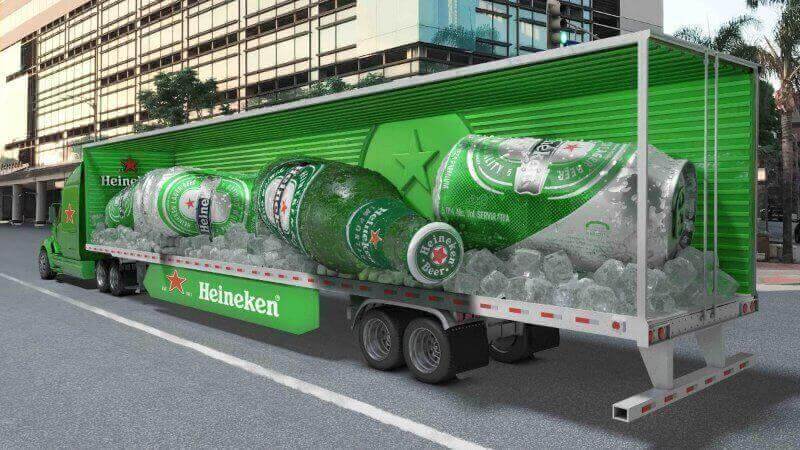
 

Mobile advertisements aren't easy to miss, as shown here with this Heineken display


Large Audience Reach

Other advertising mediums don’t have the ability to reach wide audiences quite like mobile billboards do because they’re usually more targeted to people who frequently access the material the ad interferes with. Print advertising is only available to people picking up the material, reading or skimming through the contents of the magazine or newspaper, and internet ads will only reach those who are already on the website. People walking by, people in cars, buses, cabs, and bikes will see mobile billboards because of that outdoor exposure.

Mobile billboards exist in an unmistakably visible place. With that visibility, the marketing messages on mobile can resonate with a greater number of people than the same messages on more targeted platforms. Having said that, mobile billboards can also be more targeted and tailored to people in different areas depending on the situation.


Convenient Targeting

Through planning the precise route the mobile billboard vehicle takes, this form of advertising will maximize the ad exposure and effectiveness. There are a number of places the mobile billboard can travel along, and it is up to the advertiser and company to determine which areas best fit the hopeful target for the ad. Based on factors such as high-traffic areas, specific socioeconomic areas, target neighbourhoods, areas of target businesses, and events, conferences, or conventions, the mobile billboard can take off and land smoothly in a high performance area.
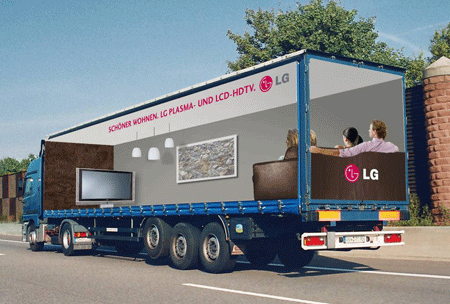
 

This mobile billboard for LG is taking off along a targeted road for maximum exposure


Unique GPS Tracking

The reach that comes from an advertisement is one of the key factors in making an ad work and delivering an impactful message to consumers. With GPS tracking on trucks carrying the mobile billboard, the reach will be far easier to gage because impressions will be monitored. People viewing the mobile ad will be accounted for due to technology that allows for retargeting and delivering the messages with the commitment to get everyone’s eyes on it.

Movia Media uses device IDs that detect, track, and build mobile audiences for brands, as well as machine learning algorithms that understand a user’s past ad engagements, mobile web behavior, and checked off locations they visited during their day. It is convenient to redirect the mobile truck to move into an area that hasn’t received impressions from the advertisement, and this can all be done with mobile billboard technology. The ability to control where the ad is going and who is seeing it is one of the top advantages of mobile billboard advertising.


It’s Cost Effective

As a business with a smaller budget, it is feasible to choose to advertise with mobile billboards because of the high reach at a low cost. According to a study by Product Acceptance and Research, Inc. , mobile billboards increase sales by 107% compared to only 54% for static billboards. This high increase doesn’t have to break the company card in half. Easier to track the ROI, mobile billboards allow companies to grow and benefit from the precise measurements of impressions reached. It’s more cost effective to advertise using mobile billboards than stationary billboards, print ads, TV commercials, and radio commercials. Shown to increase sales at fairly low rates, mobile billboards are the effective way to go to advertise.
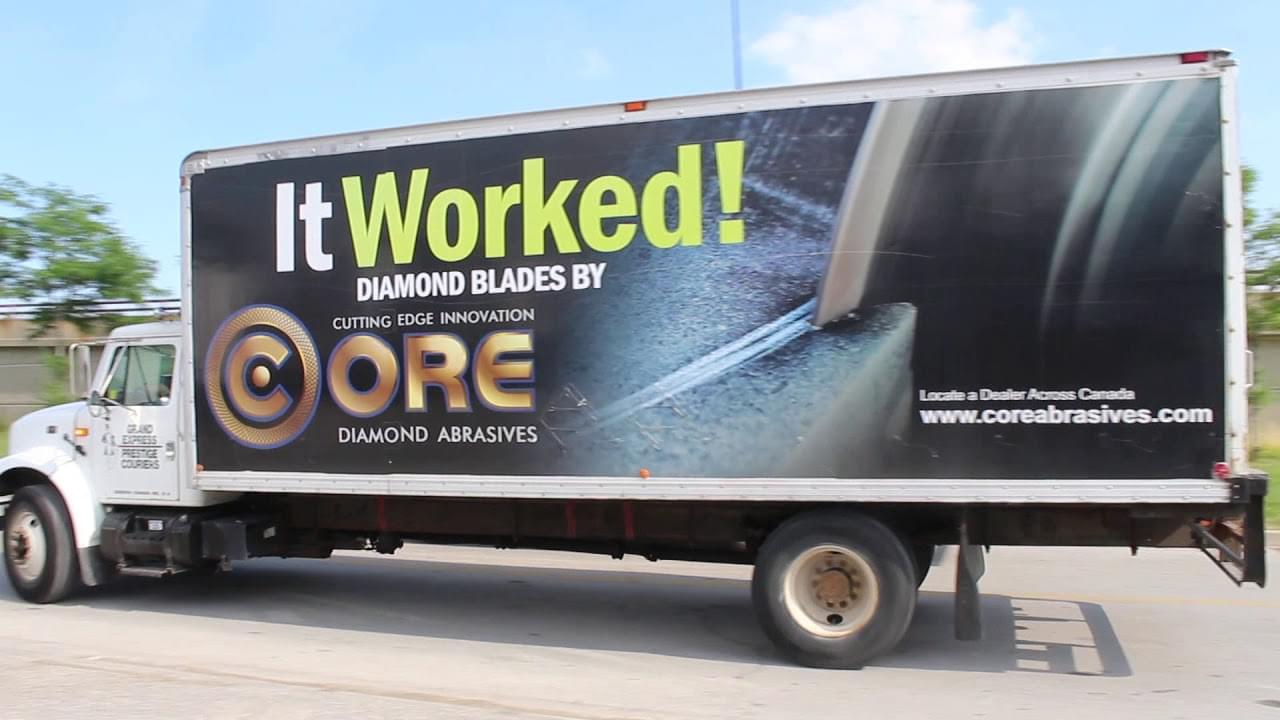
 

Mobile billboards work, just like this one


What Factors Influence Mobile Billboard Effectiveness?

Mobile billboard effectiveness is shaped by more than visibility alone. While the format itself is attention-grabbing, campaign performance ultimately depends on how strategically the execution is planned. Factors such as route design, audience density, frequency of exposure, and creative clarity all contribute to whether a campaign simply generates impressions — or drives measurable impact.

One of the most important elements is strategic route planning. Unlike static billboards, mobile units can be directed through high-traffic corridors, commercial districts, commuter routes, and event zones where target audiences are most concentrated. Aligning routes with peak traffic periods increases the likelihood of repeated exposure, which strengthens brand recall over time. According to industry insights from the OOH metrics guide on impressions, reach, and frequency, understanding how exposure accumulates across audiences is critical when evaluating campaign performance.

Frequency also plays a significant role in determining whether mobile billboards are effective. Repeated exposure within a defined market helps reinforce messaging and supports stronger memory encoding. When campaigns are structured to maximize reach while maintaining sufficient repetition, brands can create a sustained presence without oversaturation. Research from OAAA’s discussion on performance marketing and OOH impact highlights how out-of-home formats can support broader marketing goals by delivering consistent, real-world visibility that complements digital performance efforts.

Creative execution is another key influence. Clear messaging, bold visuals, and minimal copy are essential in a moving format where viewing time may be brief. Strong contrast, legibility, and a focused call-to-action ensure that the message is absorbed quickly as the vehicle moves through traffic environments. When strategic routing, optimized frequency, and creative clarity work together, mobile billboard campaigns are positioned to deliver measurable awareness lift and long-term brand reinforcement.

How Mobile Billboards Fit into a Modern Media Strategy

In today’s fragmented media environment, effectiveness is no longer measured by a single channel’s performance in isolation. Instead, brands evaluate how each channel contributes to broader marketing objectives across awareness, consideration, and action. Mobile billboards fit into this modern media strategy by strengthening real-world visibility while supporting digital and performance efforts simultaneously.

Out-of-home advertising has increasingly been recognized for its ability to complement digital channels rather than compete with them. Research highlighted in the Kantar study on how out-of-home advertising outperforms key channels suggests that OOH plays a critical role in filling performance gaps within modern marketing strategies. By delivering consistent exposure in physical environments where audiences are less distracted by competing digital ads, mobile billboards reinforce messaging that consumers later encounter online, improving overall campaign synergy.

From a full-funnel perspective, mobile billboards are particularly effective at building top-of-mind awareness. Strong visual presence in high-traffic corridors ensures repeated exposure, which supports brand recognition and recall. At the same time, OOH campaigns have been shown to stimulate online behaviors such as branded search and mobile engagement. Industry insights from OAAA’s analysis of performance marketing and OOH impact emphasize how integrating out-of-home formats into broader campaigns can enhance both brand and performance outcomes. When strategically aligned with digital advertising, social media, and search campaigns, mobile billboards contribute incremental reach that may not be achieved through online targeting alone. This integration allows marketers to balance measurable performance metrics with sustained physical visibility — a combination that strengthens long-term brand equity while supporting short-term campaign goals.

Final Takeaway

So, are mobile billboards effective? When executed strategically, the answer is yes. Their effectiveness depends not only on visibility, but on how well route planning, audience density, frequency, and creative execution are aligned with broader campaign objectives. Unlike static formats limited to a single location, mobile billboards offer expanded geographic reach and flexibility, allowing brands to increase exposure across multiple high-traffic environments.

More importantly, mobile billboard effectiveness is amplified when integrated into a modern media strategy. By supporting brand awareness at the top of the funnel while complementing digital performance channels, mobile billboards help bridge the gap between physical visibility and measurable marketing outcomes. When paired with strong creative and data-informed planning, they can deliver sustained brand presence and meaningful audience engagement.

Ultimately, mobile billboards are not simply about movement — they are about strategic exposure. For brands seeking to enhance reach, reinforce messaging, and strengthen overall campaign performance, mobile billboard advertising remains a relevant and effective component of the media mix.


Talk to a Mobile Billboard specialist today

x